This is for dads and non-birthing partners. It isn't a list of ways to "help out". You're not helping. It's your baby too. It's a list of jobs to own, so that for the first few weeks there are two people on the rota, not one parent and an assistant.
The first fortnight
The first two weeks are feeding, changing, settling and recovering on a loop, with no reliable pattern to the day. Your job is to take everything that isn't feeding (or all of it, if the baby's bottle-fed) off your partner's plate, so they can feed, recover and sleep.
In practice, that means you run the house. Meals, washing, bins, the dishwasher, the phone. When people offer help, say yes and give them a specific job: "Could you drop a lasagne round on Thursday?" works far better than "We're fine, thanks."
You're also in charge of visitors. Short visits, washed hands, everyone leaves having done something useful, nobody turns up unannounced. If your partner wants a quiet afternoon, you're the one who says so.
Take real shifts
Two people half-awake all night is the worst of both worlds. Split the night so each of you gets one proper block of sleep. One way to do it: one of you covers roughly 9pm to 2am, the other 2am to 7am. Off-shift means a different room if you can, earplugs if you need them, and genuinely not getting up.
If your baby is bottle-fed
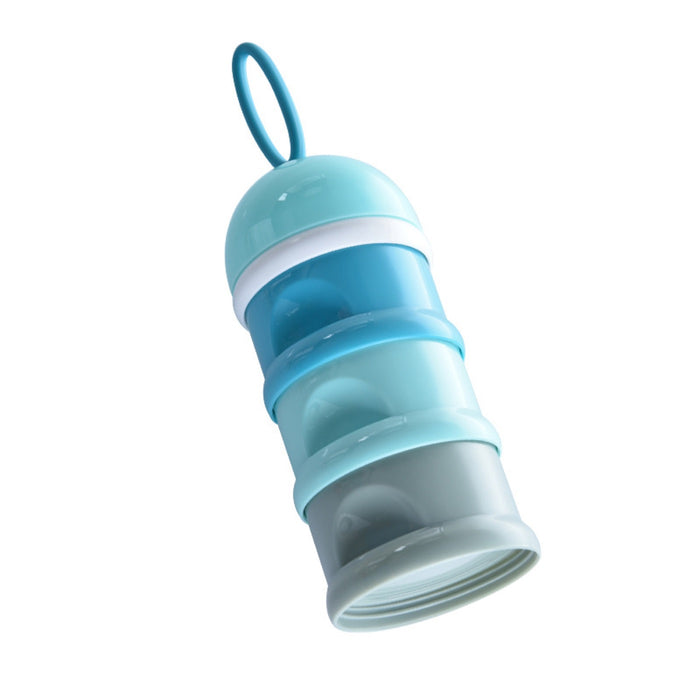
You can do the whole shift: feed, burp, change, settle. Prep in daylight so you're not counting scoops in the dark. A formula dispenser filled in advance and clean, sterilised bottles lined up on the side will do it.
If your baby is breastfed
You can still own most of the shift. Bring the baby to your partner, take them back when the feed's done, and do the burping, the nappy and the settling while your partner goes straight back to sleep. Bring a glass of water each time. If you're thinking about giving expressed milk on your shift, talk to your midwife or health visitor about when and how.
The jobs you can own
Own means it's yours. It doesn't need asking, checking or thanking every time. Pick a few.
- Nappies. All of them, on your shift. You'll be quick by the end of the first week.
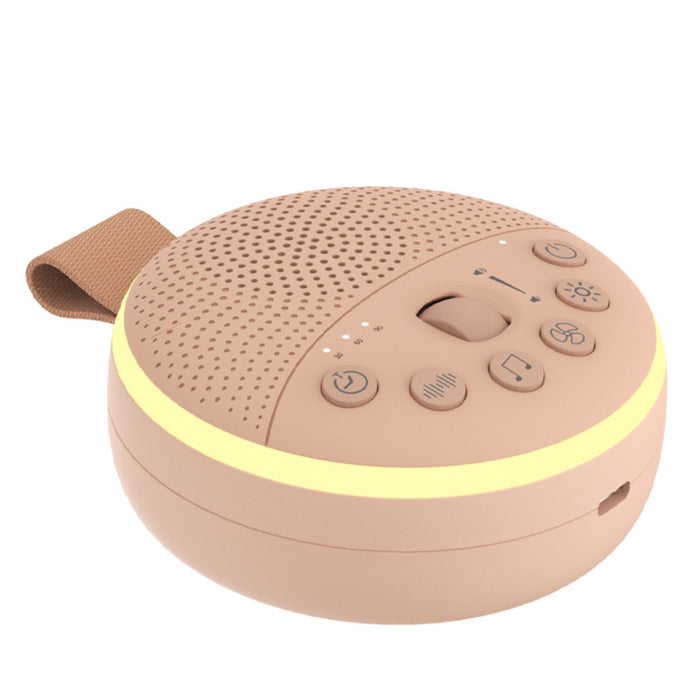
- Settling. Walking, rocking, swaying, shushing in a dim room. A pocket white noise machine will save your voice by 4am.
- Bath time. An easy one to claim. A bath kneeler saves your knees, a bath thermometer takes out the guesswork, and a big hooded towel over your shoulder lets you lift a wet baby out with both hands. Never leave the baby alone in the bath, not even for a moment.
- Bottles, if bottle-fed. Washing, sterilising, making up, drying. The whole cycle, not just the fun bit at the end.
- Burping. Over your shoulder with a muslin, or sitting up on your lap. Patience beats force.
- The morning shift. Take the baby at 6am, out of the bedroom, and let your partner sleep until they wake on their own. Few presents in the first year come close.

Looking after the person recovering
Whatever kind of birth it was, your partner's body has just done something enormous, and recovery takes weeks, not days.
- If it was a caesarean, that was major surgery. The NHS recovery advice includes not lifting anything heavier than the baby for a while, so you're on car seats, shopping and laundry baskets.
- Water and food within reach every time they sit down to feed. Before they ask.
- The practical bits where they're needed, from maternity pads to a peri bottle by the loo.
- Notice how they're doing. Feeling weepy and overwhelmed in the first couple of weeks is common, and the NHS calls it the baby blues. If low mood lasts longer than two weeks, or starts later, it could be postnatal depression. Encourage them to talk to their GP, midwife or health visitor, and go along if they'd like you there.
- If anything about their physical recovery worries either of you, ring the midwife, GP or NHS 111. That's what they're there for.
Looking after yourself
You're allowed to find this hard. Most people do, and nobody does it well on no sleep.
- Protect your off-shift. Sleeping is part of the job.
- Eat actual meals, not just the biscuits next to the kettle.
- If you're too tired to drive, don't. Get a lift, take the bus, or wait.
- Get outside once a day, even if it's ten minutes round the block with the pram.
- Talk to someone. The NHS is clear that postnatal depression can affect dads and partners too. If you've felt low, anxious or not yourself for more than a couple of weeks, talk to your GP.
The two-minute handover
At every shift change, three things: when the baby last fed (and which side, or how much), when the last nappy was, and anything that seemed odd. Write it on a pad by the bed. You will both be too tired to remember, and that's fine.
You're not helping. You're on shift.
If you'd like a head start, the New Dad Bundle is on our bundles page. And if you're reading this at 3am with a baby on your chest, there's more where this came from in the Journal.
This article is general information, not medical advice. For anything about your baby's health, development or feeding, talk to your midwife, health visitor or GP, or call NHS 111.